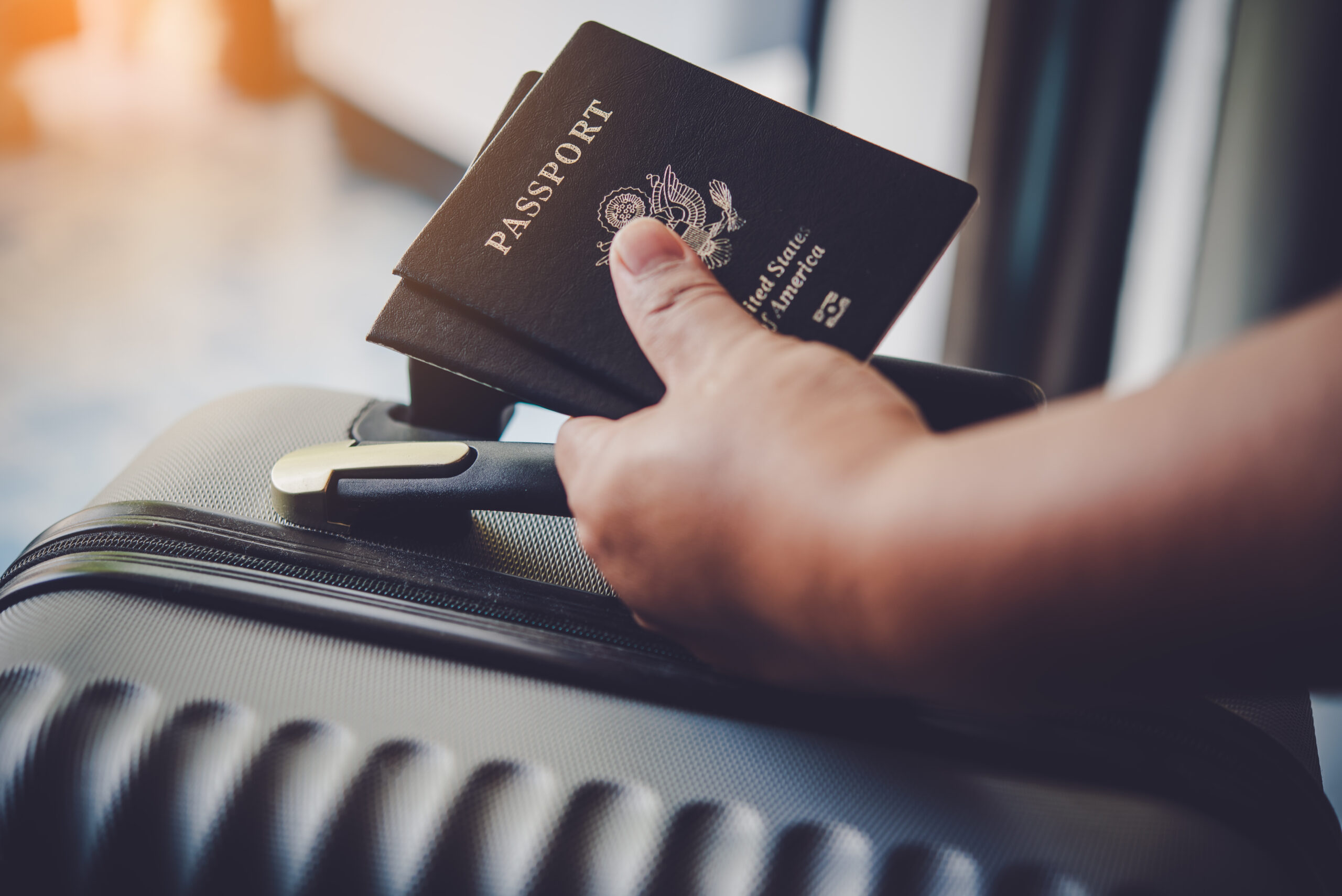
Are you treating travel safety as something to think about only once you arrive? How could proactive travel safety planning change the way you handle risk before an international trip begins? What travel safety gaps might already exist in your plans before you even leave home?
This blog breaks down why travel safety starts long before you arrive at the airport and how proactive preparation dramatically reduces risk during international travel. Drawing from years of executive protection experience, it explains the difference between reactive and proactive travel safety, emphasizing early risk assessment, destination intelligence, cultural awareness, and low-profile movement as key components of staying safe abroad. The post highlights how many travel incidents are preventable when travelers learn to recognize risks early and control variables before departure.
Readers will also gain practical insights into travel safety planning through destination risk analysis, open-source intelligence gathering, understanding local laws and customs, and logistical preparation. By approaching travel safety as a mindset rather than a last-minute checklist, the article shows how travelers—especially executives and business professionals—can move more calmly, confidently, and securely in unfamiliar environments while minimizing unnecessary exposure and stress.
If you think planning safe travel can just begin when you leave for the airport, you’re already too late.
I’ve spent years working on executive protection details across borders, industries, and various risk environments. And if there’s one pattern I’ve seen repeat itself, it’s that the trips that go wrong usually weren’t poorly handled in the moment that an issue came up. They were poorly handled and poorly prepared, long before departure.
There’s a big difference between reactive travel and proactive travel.
Reactive travel is what most people do. You book the flight, reserve the hotel, skim a blog post about “staying safe abroad,” and hope nothing unexpected happens. If it does, you improvise and hope for the best.
Proactive travel looks different. It’s slower on the front end and calmer on the back end. It’s built around asking better questions before anything moves. It’s about controlling variables early so you don’t have to make rushed decisions later. When you make travel plans proactively, you ensure you’re in control of every single situation, even the ones you haven’t thought of yet.
This matters even more for business travelers, executives, and anyone with a higher public profile.
When you travel internationally for work, you’re often operating on tight schedules, moving between unfamiliar environments, and interacting with people who may already know who you are, what you do, or what you represent. That visibility changes your risk profile.
Executive travel safety isn’t about paranoia; it’s about maintaining normalcy and peace of mind when you’re moving and shaking outside of your normal environment.
Safety starts before you leave because most of the problems people encounter abroad are visible in advance if they know where to look. In this blog, we’ll cover international travel and what you need to do before you leave to stay safe on your trip.
Assessing Destination Risk Before Booking
Before you book a flight, you should understand where you’re going, not just geographically, but operationally.
One of the fastest and most underused tools for this is the U.S. Department of State Travel Advisory system.
These advisories break countries into four levels:
- Level 1: Exercise Normal Precautions
- Level 2: Exercise Increased Caution
- Level 3: Reconsider Travel
- Level 4: Do Not Travel
These levels aren’t meant to scare you. They’re meant to inform you. Beyond just ranking the countries from levels one through four, the system also provides risk indicators based on each level, such as increased crime trends, unrest, health risks, and other threats.
A level 2 doesn’t mean “don’t go.” It just means there are specific risks that you should factor into your planning. On the other hand, a level 3 or 4 requires much more serious consideration and mitigation before leaving, or even cancelling and rescheduling altogether if possible.
What matters isn’t just the level, but why the advisory exists, which is why those risk indicators are so important to pay attention to.
Understanding the source of risk allows you to adjust intelligently. You may still travel, but you’ll choose different routes, accommodations, meeting locations, or schedules based on the challenges you could face in a particular location.
I’ve seen executives book travel without ever checking advisories, then act surprised when protests shut down roads or when heightened police presence creates delays. Those issues often aren’t sudden. The underlying threats were there all along, but no one checked beforehand. I treat this like checking the weather before traveling.
Knowing the risk before you book gives you leverage. It allows you to make decisions calmly, instead of reacting under pressure later.
Gathering Intelligence Through Open-Source Research (OSINT)
Once you’ve assessed the macro risk of a destination, the next step is open-source intelligence, or OSINT.
OSINT means using publicly available information to understand what’s happening right now in a place, not what a travel guide said six months ago.
Before international travel, I always recommend researching:
- Current news and local media.
- Protest activity or civil unrest.
- Common crimes targeting travelers.
- Areas known for scams, theft, or violence.
- Transportation risks and looking for possible choke points.
- Recent incidents involving foreigners or executives.
Pay attention to patterns. Are protests happening weekly in certain areas? Are tourists being targeted at transportation hubs? Are there scams involving taxis, currency exchange, or hotels?
This information shapes how you move, so you need to make sure you gather as much information as you can.
OSINT also helps you identify problematic areas to avoid, not just entire cities or countries. Many destinations are safe overall, but have specific neighborhoods, times, or routes that carry a higher risk. Digging through this information can uncover hidden insights that general travel guides completely miss.
In executive protection, we use OSINT to quietly adjust routines. This can look like changing hotel locations, shifting meeting times, altering transportation routes, or avoiding any hotspots altogether.
For individual travelers, the same principles apply. You don’t need a security team to benefit from intelligence and increased travel safety; you just need to be willing to look.
Understanding Local Customs, Culture & Social Norms
One of the most overlooked aspects of international travel safety is cultural awareness.
What’s normal in one country can be offensive, or even illegal, in another.
I’ve seen travelers draw unnecessary attention to themselves not because they were reckless, but because they were unaware, and awareness is one of the cheapest forms of protection you can buy.
Before you travel, I suggest learning:
- Common greetings and communication styles.
- Expectations around personal space and eye contact.
- Appropriate attire for business and public settings.
- Currency practices and tipping norms.
- Social “no-no’s” that may offend locals.
Cultural missteps don’t just affect relationships or your image; they can escalate into security issues. Offending the wrong person, drawing public attention, or appearing disrespectful can quickly change how people treat you.
From a protection standpoint, cultural awareness helps you avoid unnecessary friction. It reduces unwanted visibility, earns respect, and lowers the likelihood of confrontation. As a security agent, this is one of my most useful strategies for ensuring my clients can travel safely.
Maintaining a Low Profile While Traveling
One of the simplest and most effective travel safety strategies abroad is also one of the hardest for people to accept: Don’t stand out when you don’t need to. As with anything, weigh the cost vs the benefit of it.
High-visibility travelers often unintentionally advertise themselves through appearance and behavior. Luxury watches, designer logos, flashy, expensive tech, and loud conversations about business or travel plans may feel normal to you, but to a bad actor, you’re just giving away free information. If moving like this benefits you, great! Then simply be aware that risk will be elevated and have a plan in case the attention brings the wrong types of people around.
Maintaining a low profile doesn’t mean dressing poorly or hiding who you are. It means choosing subtlety over signaling.
Here’s what that looks like in practice:
- Neutral clothing and minimal branding.
- Discreet luggage without visible logos.
- Limited public use of your valuable devices.
- Awareness of how much attention you draw in public.
The goal is to blend in with the environment you’re in as much as possible. You want to look like a local, like you belong there.
I’ve worked with executives who insisted on projecting status everywhere they went. However, they understood that status also projects target value, and there’s a significant risk with that, which is where their security team comes in.
Blending in gives you freedom. It allows you to move without being noticed. In security services, being forgettable is often an advantage.
Knowing Local Laws and Legal Expectations
Another area where travelers get into trouble is assuming that laws work the same way everywhere.
They don’t.
Just like it’s important to understand the local culture, knowing the local laws is also a must. Before international travel, I suggest looking into:
- Customs regulations and restricted items.
- The severity of breaking ‘normal’ laws in your new destination vs where you live.
- The legality of prescriptions you may carry regularly.
- Laws around photography, protests, or general public behavior.
- Driving, alcohol, and identification requirements.
- Rules regarding locally offered services.
Minor oversights can escalate quickly in unfamiliar legal systems, and trust me, you don’t want to get caught in one of these situations.
I’ve seen travelers detained for medications they didn’t realize were restricted. Others ran into issues photographing government buildings or discussing sensitive topics publicly. Being unaware of these differences when you’re abroad can make or break a trip faster than you can imagine.
Knowing the rules of the land helps you avoid unnecessary interactions with law enforcement and customs officials. And those interactions, even when harmless, create delays and stress, and even risk harming your executive client’s reputation if one of these instances were to go public.
Preparing Mentally and Logistically for International Travel
All of this planning leads to one core outcome: control.
Preparation gives you control over variables you can influence before departure.
That includes:
- Routes from airports to hotels.
- Embassy locations and contact information.
- Transportation providers.
- Planning daily schedules with buffer time.
- Communication plans with your team.
In executive protection, we plan routes, alternates, contingencies, and emergency options. We don’t do that because we expect something to go wrong; we do it so we’re not surprised if something changes. It’s our job to keep things moving smoothly at all times, never raising public or the client’s suspicion that something is off.
Travel safety boils down to two things: predictability and preparation.
The more you plan in advance, the calmer you move when plans change. Calm travelers make better decisions, while rushed, reactive travelers make preventable mistakes.
When you accept thorough preparation as a professional standard, not a sign of anxiety, you travel differently. You’re observant, not nervous. Flexible, not reactive. Present, not distracted.
That mindset alone reduces risk.
Conclusion
Even though you may be traveling the farthest from home that you’ve ever been, international travel doesn’t need to feel stressful.
When you prepare properly, it becomes efficient, controlled, and lets you truly enjoy your trip versus reacting to unplanned incidents or feeling stressed out.
Most travel safety advice focuses on what to do after something happens. Real safety is about what you do well in advance.
From my experience, the smoothest trips are run by people who prepare quietly, respect their environment, and understand that foresight is a leadership skill.
Every trip has variables. The difference is whether you’ve already thought through them.
Before your next international trip, ask yourself one question: What can I control before I leave? Whatever the answer is, focus on that first.